Moving to Warren County VA: What to Expect Before You Arrive
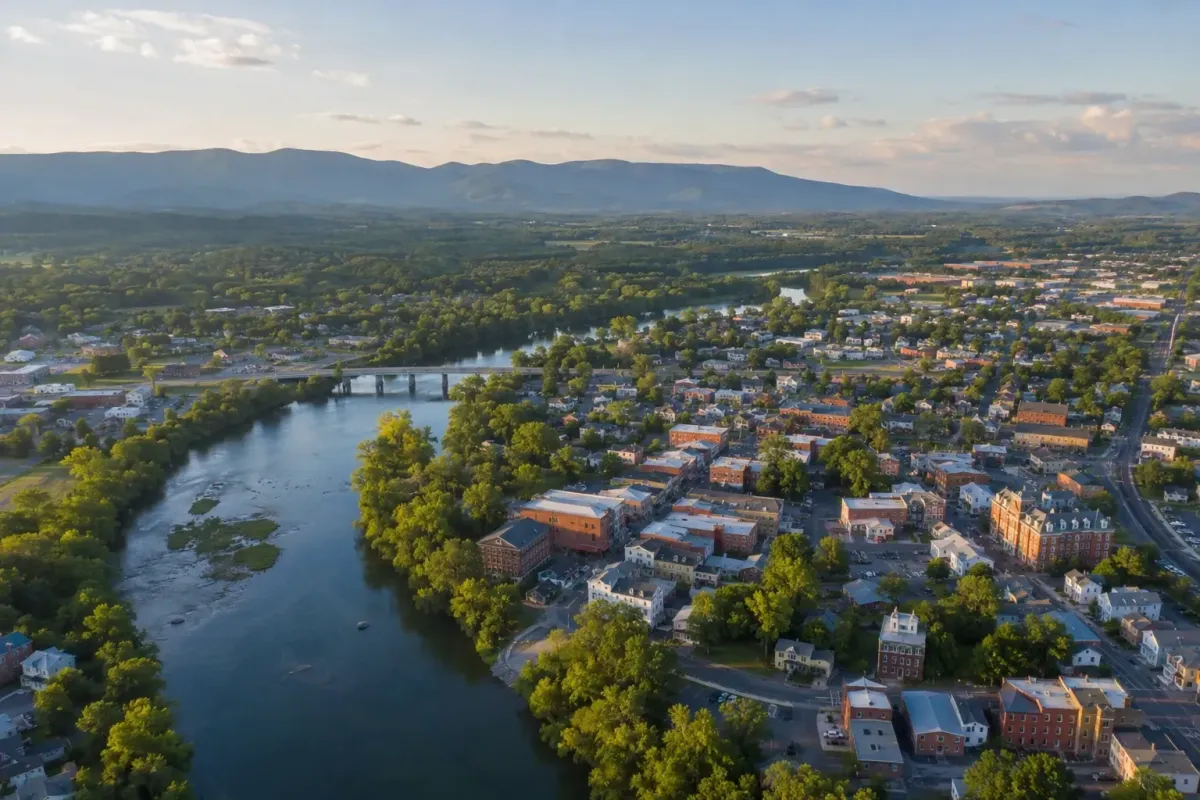
Moving to Warren County VA puts you in one of the Shenandoah Valley's most scenic and affordable corners of Virginia, where small-town character meets surprisingly convenient access to major metro areas. Whether you're drawn by the mountain views, the lower cost of living, or the proximity to Washington, D.C., this area has a lot more to offer than first-time visitors realize.
Why Warren County Keeps Attracting Newcomers
Warren County sits at the northern gateway to Shenandoah National Park, bordered by the Blue Ridge Mountains to the east and the Massanutten range to the west. That geography alone draws a steady stream of people who want fresh air, hiking trails, river access, and seasonal foliage without sacrificing civilized amenities.
But the geography is only part of the story. Housing affordability plays a major role in why people are moving to Warren County VA in growing numbers. Compared to Loudoun, Fairfax, or Prince William counties, Warren County offers significantly more square footage per dollar. A budget that might get you a small townhouse closer to D.C. can stretch into a four-bedroom home on a few acres here. That kind of value is difficult to argue with, especially for families and remote workers who no longer need to be in the office every day.
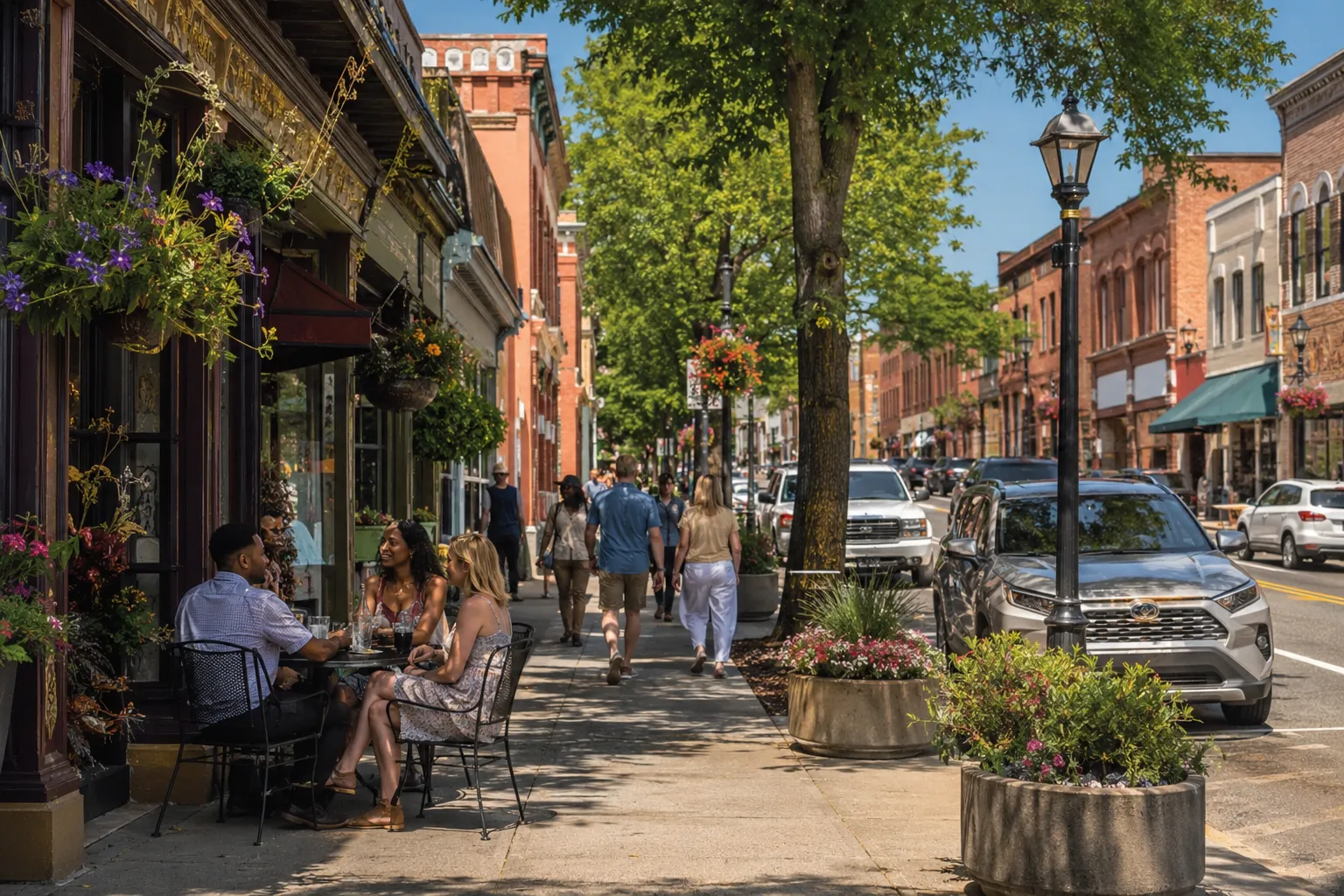
The town of Front Royal serves as the county seat and the social and commercial hub of the area. It has a walkable downtown with locally owned restaurants, breweries, and shops, a community theater, and a farmers market scene that locals take seriously. Surrounding that core are rural stretches with farms, vacation cabins, river lots, and quiet residential neighborhoods. If you want to understand the full range of what the area looks like, the warren county community page is a good starting point for neighborhood-level context.
The Real Story on the Commute
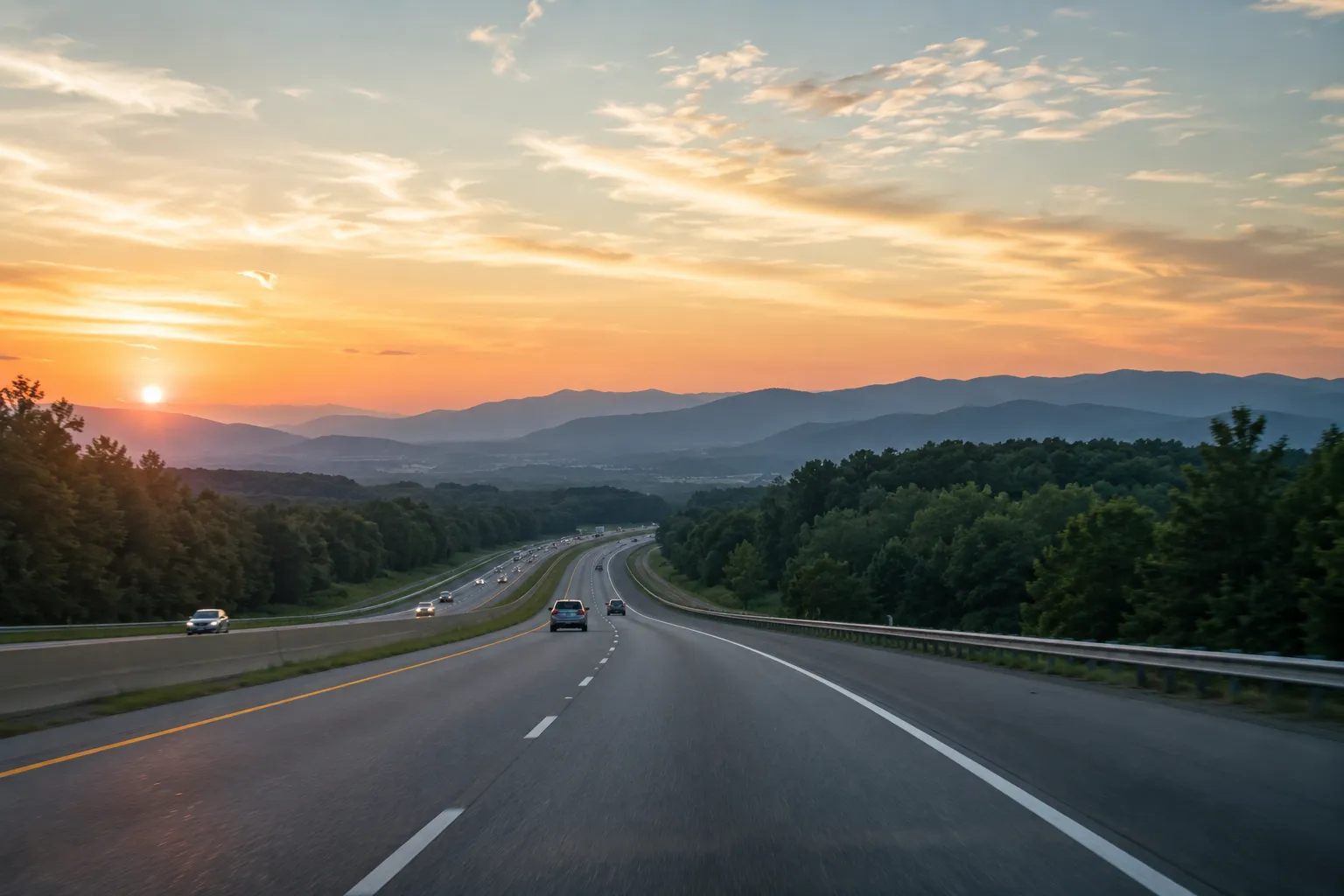
One of the biggest questions for anyone relocating here is the commute. Front Royal sits roughly 65 to 70 miles west of Washington, D.C., depending on your destination within the city. Under ideal conditions, that drive runs about an hour and 15 minutes via I-66. During peak rush hour traffic, especially heading into D.C. on weekday mornings, that can stretch to two hours or more.
This reality has shaped who lives here. The majority of Warren County residents who commute to the D.C. metro area either do so part-time as hybrid workers, or they have found ways to structure their schedules around the traffic patterns. Many commuters leave early to beat congestion and return mid-afternoon, or they compress their schedules to three or four office days per week.
For those who use transit, the Virginia Railway Express (VRE) does not currently extend to Front Royal. The nearest VRE station is in Manassas, roughly 40 miles east. Some residents drive to Manassas or another park-and-ride and take the train from there. It's a layered commute, but for some households it works, especially if only one partner is making the trip regularly.
Remote workers have changed the dynamic considerably. If you work from home full-time or most of the week, the commute question becomes much less central to your daily life, and Warren County's advantages start to dominate the calculation.
Housing Market Snapshot: What Your Budget Actually Gets You
Warren County's housing market attracts a diverse mix of buyers, including first time buyers, retirees, second-home buyers, and relocators looking for more space, privacy, or land than they may find closer to Washington, D.C.
Housing options range from established single-family homes in Front Royal to townhomes, condos, farmhouses, cabins, and rural properties with larger lots. Homes near the Shenandoah River are also popular, although buyers should consider factors such as flood zones, insurance, road access, and maintenance.
For buyers relocating from more suburban parts of Northern Virginia, comparing properties involves more than purchase price. Wells, septic systems, acreage, road maintenance, internet availability, and other property-specific factors can affect both everyday living and long-term ownership costs.
If you currently own a home and need to sell before or during your move, coordinating both transactions can make the relocation process easier. Explore the sell my home resources or speak with GG about planning your move.
What Warren County Buyers Often Overlook
Warren County can offer more house and land for the money than many closer-in Northern Virginia markets, but rural properties often require a different kind of due diligence. Two homes with similar prices can have very different long-term ownership costs depending on the road, utilities, acreage, topography, and property systems.
Before making an offer, buyers should look beyond the bedroom count and asking price and verify details such as:
Whether the property uses public utilities or a private well and septic system
Septic capacity and available maintenance records
Well condition and water testing
Flood-zone status, particularly near the Shenandoah River and low-lying areas
Internet providers and actual service availability at the specific address
Road ownership and maintenance responsibilities
HOA or sanitary district requirements and fees
Driveway accessibility and winter conditions on steep or rural properties
For buyers relocating from Fairfax, Loudoun, Arlington, or other more suburban parts of Northern Virginia, these details can be easy to overlook because they may not have been major considerations in a previous home search.
Local buyer perspective: A property that looks like the better value on price alone is not always the better purchase. Understanding the property's infrastructure and ongoing responsibilities before making an offer can prevent expensive surprises after closing.
Schools, Services, and Everyday Life
Warren County Public Schools operates the county's K-12 system, which includes multiple elementary schools, Warren County Middle School, and Warren County High School. The district also offers career and technical education programs through its CTE pathways, which are designed to connect older students with trades and professional certifications before graduation.
Families with children in specialized programs or private school preferences will find limited options locally compared to Northern Virginia's broader landscape. Some families homeschool, and others commute their children to programs in neighboring Fauquier or Shenandoah counties. It's worth evaluating the specific programs relevant to your child's needs before making assumptions about fit.
Healthcare access has improved in recent years. Warren Memorial Hospital, part of Valley Health, serves the county. For more specialized care, residents typically travel to Winchester or, for major procedures, into Northern Virginia. That 60-to-70-mile radius to major medical centers is a real consideration for older buyers or those with chronic health conditions.
Grocery options include a Food Lion, a Walmart Supercenter, and smaller local markets. For specialty items, Whole Foods or Trader Joe's shoppers will need to plan ahead and make trips toward Gainesville or Winchester. Daily needs are well covered; niche shopping requires some planning.
Utilities, Districts, and Local Structure
Warren County has a layer of local governance that surprises some newcomers: sanitary districts. Not every property in the county is within a sanitary district, and whether yours is matters for what services you receive and how your property taxes are structured.
Properties inside a sanitary district generally have access to public water and sewer service, maintained roads within the district, and sometimes additional services like trash collection. Properties outside a district rely on private wells and septic systems, which are common across rural Virginia and require a different kind of maintenance awareness. Sanitary district fees are typically billed as a separate line item on your property tax bill.
Before purchasing a home, confirm which district the property falls in, or whether it falls in none. That answer shapes your utility costs, responsibilities, and long-term ownership experience in meaningful ways.
Warren County is also part of the broader Northern Shenandoah Valley Region, which influences planning, transportation, and economic development decisions that affect residents over time. Understanding that regional context helps explain some of the infrastructure decisions and growth patterns you'll observe when you arrive, and the relocation guide warren county covers specifics that go well beyond what a general real estate search can tell you.
Outdoor Life and Community Culture

Shenandoah National Park's Skyline Drive begins at Front Royal's southern edge. That means hiking, wildlife watching, camping, and some of Virginia's most dramatic scenic overlooks are, for many residents, less than 10 minutes from their driveway. The Shenandoah River offers kayaking, canoeing, tubing, and fishing. Skyline Caverns sits just outside town. Weekend activities here are not an afterthought.
The community culture leans toward self-reliant, outdoor-oriented, and locally connected. There is an active arts scene in Front Royal relative to the town's size, driven partly by the Samuels Public Library, the Arts Center, and a cluster of working artists and musicians who have relocated here over the years. The community also supports a strong volunteer culture, with active fire and rescue departments that rely heavily on volunteer service.
Getting Here and Getting Around
Warren County does not have a public transit system in the traditional urban sense. A car is essential. Roads vary from well-maintained state routes to rural gravel roads, and winter conditions in the foothills can include ice and snow that Northern Virginia residents may not be accustomed to managing.
For air travel, the Front Royal-Warren County Airport handles small general aviation aircraft. For commercial flights, Dulles International Airport (IAD) is the most practical option, located about 60 to 65 miles east. Reagan National (DCA) and Baltimore Washington International (BWI) are also reachable, though farther and more subject to traffic delays.
For anyone just beginning to picture what daily life could look like, starting with the home search tools can give you a sense of what is currently on the market and how fast inventory moves in specific neighborhoods.
Moving to Warren County VA is a decision that rewards research. The more clearly you understand the trade-offs on commute, services, and schools, the better positioned you'll be to find the right property and settle in with confidence.
Things to Know
Warren County uses a combined city-county tax structure in some districts, meaning your effective tax burden depends heavily on whether your property falls inside Front Royal town limits or in the unincorporated county.
The Shenandoah River has flood-prone areas, particularly along its forks. If you are considering a riverfront or low-lying property, review FEMA flood zone maps and factor flood insurance costs into your budget before making an offer.
Cell service and internet connectivity vary significantly across the county. Urban areas of Front Royal have solid coverage, but rural and mountainous parcels can have dead zones and limited broadband options. Always test connectivity at a property before closing.
Warren County has a growing short-term rental market due to its proximity to Shenandoah National Park. If you are buying near a popular trail or river access point, expect seasonal tourist traffic in your neighborhood.
Wildlife encounters are a genuine part of daily life here. Black bears, white-tailed deer, and other animals are common, especially on properties bordering the national park or forested land. Secure trash storage and awareness of your surroundings matter more here than in suburban settings.
The real estate market can move quickly on well-priced properties, particularly during spring and summer. Having your financing pre-approved and your priorities clearly defined before you start touring saves time and prevents missed opportunities.
Is Warren County Right for You?
Warren County can be an excellent fit for some buyers, but it is not the right choice for everyone. The lifestyle tends to appeal most to people who value space, scenery, outdoor recreation, and housing options that may offer more land for the money than closer-in Northern Virginia communities.
Warren County may be a good fit if you:
Work remotely or have a flexible hybrid schedule
Want more land, privacy, or separation from dense suburban development
Enjoy hiking, kayaking, fishing, camping, and other outdoor activities
Prefer small-town surroundings over a highly urban environment
Are comfortable relying on a car for most daily needs
Are willing to consider properties with wells, septic systems, private roads, or other rural features
You may want to think carefully about Warren County if you:
Need to commute to Washington, D.C. five days a week
Depend heavily on public transportation
Want extensive shopping, dining, and entertainment within a few minutes of home
Need frequent access to highly specialized medical services
Prefer newer, high-density communities with extensive neighborhood amenities
For relocating buyers, this is often the more useful question than simply asking whether Warren County is affordable. The right location depends on how the commute, property type, services, and lifestyle fit your actual routine.
Start Your Warren County Relocation the Right Way
Buying in Warren County can involve considerations that are easy to miss when relocating from another part of Northern Virginia, including sanitary districts, wells and septic systems, flood zones, rural roads, internet availability, and longer commuting patterns.
GG Sfreddo is a Virginia-licensed Realtor serving buyers and sellers throughout Northern Virginia and helps relocating buyers evaluate not only the home itself, but how the property, location, commute, and ownership responsibilities fit their needs.
Her experience includes working with military families, first-time buyers, move-up buyers, homeowners navigating major life transitions, and clients relocating throughout Northern Virginia. Rather than simply identifying available homes, the goal is to help buyers understand the practical trade-offs behind each location and make a more informed decision before they commit.
Book a Free Consultation to discuss your Warren County move, timeline, preferred communities, and budget. GG can help you build a realistic home-search strategy based on what matters most to your household.
Frequently Asked Questions
Q: What is the school system like in Warren County?
Warren County Public Schools operates the county's K-12 system with a focus on both college-preparatory and career-technical education pathways.
The district includes several elementary schools, Warren County Middle School, and Warren County High School. The career and technical education programs are a genuine strength for students interested in trades, healthcare, or technology certifications before graduation. Families with children who need specialized services or who prefer private school options will find fewer choices locally than in Northern Virginia, so it is worth visiting the schools and speaking with the district directly during your relocation process.
Q: What is the commute like to Washington, D.C.?
The commute from Front Royal to Washington, D.C. runs approximately 65 to 70 miles and takes between one hour and 15 minutes under light traffic conditions, stretching to two hours or more during peak rush hour.
I-66 is the primary route, and westbound traffic returning to Front Royal in the late afternoon can be particularly heavy on weekdays. There is no VRE service directly to Front Royal; the nearest station is in Manassas, which some residents drive to before boarding the train. Most Warren County residents who commute regularly to D.C. do so on a hybrid schedule, which makes the distance manageable for many households.
Q: What are the benefits of being in a Warren County Sanitary District?
Properties within a Warren County Sanitary District typically have access to public water and sewer service, maintained roads, and additional community services that properties on private wells and septic systems do not receive.
The practical benefit is reduced personal maintenance responsibility. With a private well, you are responsible for pump maintenance, water testing, and any repairs to the system. With a septic system, you manage pumping schedules and field line integrity. Being in a sanitary district offloads much of that responsibility to the district authority. The trade-off is an additional fee on your annual property tax bill, but many buyers consider that a worthwhile exchange for the convenience and predictability of public utilities.
Q: How far is Front Royal/Warren County from the closest airport?
The Front Royal-Warren County Airport handles general aviation only, so for commercial flights, most residents use Dulles International Airport, which is approximately 60 to 65 miles east of Front Royal.
Under normal traffic conditions, the drive to Dulles takes between one hour and one hour and 20 minutes. Reagan National Airport is also an option at roughly 75 miles, though D.C. traffic patterns can make that drive less predictable. Baltimore Washington International Airport is accessible as well but sits at a greater distance. Most Warren County residents budget Dulles as their default hub and plan accordingly when booking flights.
Q: Is Front Royal, VA a safe place to live?
Front Royal is considered a generally safe community for a small Virginia town, though like any locality it has areas and conditions that prospective residents should evaluate with current data.
The town has a mix of long-established residential neighborhoods that are quiet and family-oriented and some pockets that experience higher property crime rates. Reviewing current statistics through the Virginia State Police crime data tool or the FBI's Crime Data Explorer gives you a factual, up-to-date picture rather than relying on generalizations. Talking with current residents and your real estate agent about specific streets and subdivisions is also one of the most practical ways to get an accurate read on day-to-day safety in the neighborhoods you are considering.
The Bottom Line on Moving to Warren County VA
Warren County offers a compelling mix of natural beauty, relative affordability, and community character that is genuinely hard to find this close to a major metro area. The trade-offs are real, including the commute, the limited transit options, and the rural service gaps, but for the right buyer they are manageable and often worth it. Understanding the specifics before you arrive is what separates a smooth transition from a frustrating one.
If you are seriously considering moving to Warren County VA, the best next step is a direct conversation with someone who works in this market every day. Reach out, ask your specific questions, and get a realistic picture of what your relocation can look like from contract to closing.
About GG Sfreddo
GG Sfreddo is a Virginia and Washington, DC-licensed Realtor® serving buyers and sellers throughout Northern Virginia. She specializes in residential real estate, relocation, Probate and Estate Sales, and helping clients navigate time-sensitive or complex transactions with clarity and strategy.
With hands-on experience assisting military families, first-time buyers, move-up buyers, inherited-property owners, and homeowners navigating major life transitions, GG brings a practical, client-focused perspective to the home buying and selling process. Her approach emphasizes education, transparency, local market knowledge, and informed decision-making.
The insights in this article combine GG's professional experience in the Northern Virginia real estate market with research into the local factors buyers should evaluate when considering Warren County, including housing, commuting, property characteristics, utilities, and lifestyle.
Credentials
Licensed Realtor® — Commonwealth of Virginia & Washington, DC
Certified Probate Real Estate Specialist (CPRES)
Military Relocation Professional (MRP)
Certified Distressed Property Expert (CDPE)
Short Sales & Foreclosure Resource (SFR)
AI-Certified Agent
This content is provided for informational purposes only and should not be considered legal, financial, tax, or other professional advice.


