
What Not to Do When Selling Your House?
Selling a home is one of the largest financial transactions most people will ever make. After more than 22 years as a Northern Virginia Realtor, I've seen homeowners make some costly mistakes that could have been avoided with the right preparation and guidance.
Many sellers focus on what they should do when selling a home, but it's often just as important to understand what not to do.
The good news is that most of these mistakes are preventable. By learning from the experiences of other sellers, you can avoid unnecessary stress, maximize your home's value, and create a smoother selling experience.
Here are the biggest mistakes I see homeowners make when selling their home.
Don't Wait Too Long to Start Preparing
One of the biggest mistakes sellers make happens long before the home ever hits the market.
Many homeowners contact me only after they've already found another home, accepted a job transfer, decided to downsize, or experienced another major life change. At that point, time becomes their enemy.
The sellers who typically achieve the best results start planning early. They give themselves time to make repairs, declutter and organize, improve curb appeal, develop a pricing strategy, and create a marketing plan.
I once worked with a seller who wanted to list immediately because they had already committed to purchasing another property. The home needed paint, flooring updates, and several minor repairs. Because they were under pressure, they chose to skip much of the preparation.
The home eventually sold, but it took longer and sold for less than similar homes that had been properly prepared.
A few months later, I helped another seller with a very similar property. We spent a few weeks decluttering, making repairs, touching up paint, and improving presentation. The result was significantly more buyer interest and a stronger sales price.
Selling your home starts long before the sign goes in the yard. The more time you give yourself to prepare, the more options you'll have and the better your results are likely to be.
Don't Overprice Your Home
This may be the most common mistake sellers make.
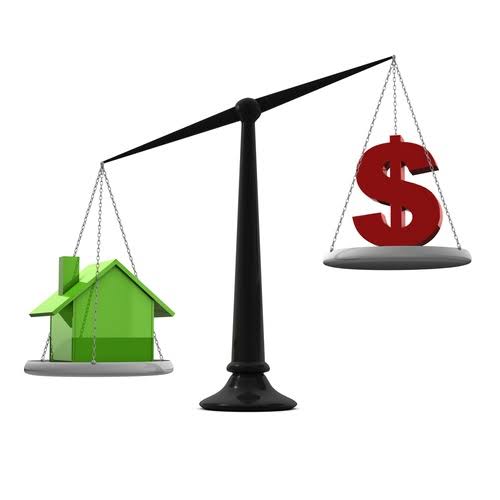
Many homeowners price their property based on what they hope it's worth rather than what buyers are willing to pay.
Sometimes sellers rely on best practices selling a home, neighbor opinions, outdated sales data, or emotional attachment to the home.
Unfortunately, buyers don't care what a seller hopes to receive. Buyers determine value based on current market conditions and the alternatives available to them.
One of the hardest conversations I have with sellers is explaining that a home is worth what today's buyers are willing to pay—not what it sold for several years ago or what a website estimates. That's why having a strategy for pricing your home correctly is one of the most important decisions you'll make before listing.
I've worked with sellers who insisted on listing significantly above market value. The home sat on the market, showings slowed down, and eventually price reductions became necessary.
In several cases, those homes ultimately sold for less than where I originally recommended pricing them.
When a home remains on the market too long, buyers begin to wonder what's wrong with it. The property can develop a stale-market reputation that becomes difficult to overcome.
On the other hand, strategically priced homes often generate stronger interest, more showings, and sometimes multiple offers.
The goal isn't to list high.
The goal is to sell for the highest price the market will support.
Don't Choose an Agent Based Only on Commission or Promises
Choosing the right real estate agent can have a significant impact on your results.
One mistake I frequently see is sellers selecting an agent solely because they offered the highest suggested list price or the lowest commission.
I understand the appeal.
Who wouldn't want the highest price and the lowest cost?
The problem is that those factors alone rarely determine the outcome of the sale.
I've seen sellers hire agents who promised unrealistic sales prices just to win the listing. Once the home failed to attract buyers, multiple price reductions followed.
I've also seen sellers choose agents simply because they were friends, relatives, or offered a discount.
While relationships matter, experience and strategy matter more.
Some homeowners consider selling on their own to avoid paying a commission. While that approach works for a small percentage of sellers, it's important to understand the potential risks before making that decision. I've outlined several common mistakes sellers make when selling without an agent that can end up costing far more than the commission they hoped to save.
When interviewing agents, focus on their marketing plan, negotiation experience, communication style, local market knowledge, track record, and systems.
A great agent does much more than place a sign in the yard.
They help with preparation, pricing, marketing, negotiations, inspections, contract management, and problem-solving throughout the transaction.
After more than two decades in real estate, I've found that sellers achieve the best results when they hire the agent with the strongest strategy, not necessarily the one who makes the biggest promises.
Don't Ignore First Impressions
Buyers begin forming opinions within seconds of entering a home.
Unfortunately, many sellers underestimate how much presentation matters.
One of the biggest issues I encounter is clutter.
Because sellers live in their homes every day, they often stop noticing how much furniture, paperwork, decorations, and personal belongings have accumulated over the years.
Buyers see everything differently.
Instead of noticing the size of a room, they notice how crowded it feels.
Instead of admiring the home's features, they focus on distractions.
I worked with a seller whose home was located in a highly desirable neighborhood and had excellent potential. However, every room was packed with furniture and personal belongings.
Before listing, we spent time removing excess furniture, organizing closets, decluttering surfaces, and simplifying décor.
The transformation was remarkable.
The home photographed better, showed better, and generated significantly more buyer interest.
Another mistake is remaining in the home during showings.
When sellers are present, buyers often feel uncomfortable discussing the property openly. Many will rush through the showing rather than fully exploring the home.
Whenever possible, it's best to give buyers space to imagine themselves living there.
Prepare your home as though it is competing against every other home in your price range because it is.
Don't Sell Without a Strategy

The most expensive mistake I've seen sellers make isn't necessarily pricing, repairs, or staging.
It's selling without a clear plan.
Almost every costly mistake can be traced back to a lack of strategy.
I remember working with a seller who believed the market was so strong that professional guidance wasn't necessary. They priced the home based on personal expectations rather than market data. They delayed recommended repairs and resisted adjustments when activity slowed.
What should have been a straightforward sale turned into months of frustration.
The home sat on the market.
Price reductions followed.
Buyers became skeptical.
Eventually, the property sold for less than it likely would have if it had been positioned correctly from the beginning.
Time on the market can be extremely expensive.
Additional mortgage payments, utilities, maintenance costs, and stress all add up.
Successful home sales rarely happen by accident.
The sellers who achieve the best results usually have a clear plan, remain flexible, listen to market feedback, make data-driven decisions, and treat the sale as a business transaction.
Final Thoughts
If there's one lesson I've learned after helping Northern Virginia homeowners buy and sell real estate for more than 22 years, it's this: best practices selling a home
Don't focus only on getting your home listed.
Focus on getting your home sold.
The right preparation, pricing strategy, marketing plan, and professional guidance can make a substantial difference in both your final sales price and your overall experience.
Market conditions also play a major role in your success. What works in one area may not work in another. If you're considering selling a home in Manassas, it's important to understand current buyer demand, inventory levels, and pricing trends before putting your property on the market.
I've seen sellers spend weeks debating small decisions while losing thousands of dollars because they ignored larger issues.
I've also seen sellers who prepared properly, priced strategically, and followed a clear plan achieve exceptional results.
Selling a home doesn't have to be overwhelming.
Avoid these common mistakes, and you'll put yourself in a much stronger position to maximize your home's value and enjoy a smoother transaction from start to finish.


