
VA Construction Loans in Prince William County: Your Full Guide
New Construction in Prince William County: How to Use Your VA Loan with Builders for Your Dream Home
Building a new home in Prince William County with your VA loan can feel like the perfect win: modern construction, energy-efficient systems, your preferred floor plan, and potentially little or no money down.
But new construction with VA financing isn’t as simple as picking a model home and signing on the dotted line. It involves extra steps, different loan structures, builder requirements, and careful timeline planning—especially if you’re relocating under PCS orders.
This guide walks you through how VA construction loans work in Virginia, what to expect in Prince William County specifically, how to vet VA-friendly builders, and how to manage timelines and incentives so you actually get the home you want, on terms that work for you.
What Is a VA Construction Loan and How Does It Work in Virginia?

A VA construction loan is a VA-backed loan structure that allows eligible veterans and active-duty service members to finance the building of a new home instead of just purchasing an existing one.
With a standard VA purchase loan, you’re buying a finished property. With a VA construction loan, you’re financing:
The construction phase (land prep, foundation, framing, systems, finishes)
The permanent mortgage you’ll have once the home is complete
The exact structure depends on the lender and product type, but in all cases, your lender will:
Verify your VA eligibility and entitlement
Review your income, credit, and debts
Approve the builder and plans
Set up a draw schedule so the builder is paid in stages as work is completed
Recent VA guideline updates have made single-close (one-time close) options more available, which is a big benefit when you don’t want to juggle multiple closings or risk interest-rate changes mid-build.
Types of VA Construction Loan Structures

Most VA-friendly construction financing falls into one of three categories:

One-Time Close (Construction-to-Permanent)
A one-time close loan combines construction financing and your permanent VA mortgage into a single package. You:
Close once
Lock in your long-term rate earlier
Avoid paying two full sets of closing costs
During construction, the lender makes draws to the builder. Once the home passes final inspection and receives a certificate of occupancy, the loan automatically converts to your regular VA mortgage.
This structure is especially helpful if:
You’re dealing with PCS timelines
You don’t want to gamble on future interest rates
You prefer a simpler, more predictable process
Two-Time Close (Separate Construction and Mortgage)
A two-time close means:
You first get a construction loan (often not VA-backed).
When the home is complete, you close again on your VA mortgage.
Pros:
More lenders offer this structure
May allow more flexibility with builders not familiar with VA
Cons:
Two sets of closings and fees
You’re exposed to interest-rate changes before the permanent loan
If you go this route, you’ll want to work closely with your lender to understand costs and rate risk.
Why Use a VA Loan for New Construction?
Using your VA benefit for new construction in Prince William County offers several powerful advantages:
Little or no down payment required
No private mortgage insurance (PMI) in most cases
Competitive interest rates backed by the VA guarantee
VA standards that help ensure the home is safe, habitable, and built to code
Instead of tying up cash in a down payment, you can keep more funds available for:
Temporary housing during construction
Upgrades and options (kitchen, flooring, outdoor spaces)
Emergency reserves for PCS-related expenses
Plus, a new construction home often comes with:
Modern layouts for work-from-home and family life
New systems under builder and manufacturer warranties
Better energy efficiency compared to older resale homes
For many military families, that combination of low upfront cost, long-term savings, and predictability is exactly what they need when relocating to or planting roots in Prince William County.
VA Construction Loan Requirements in Prince William County
For your VA construction loan to be approved, three things must line up:
You as the borrower
The builder
The property and plans
1. Borrower Eligibility
You’ll typically need:
Certificate of Eligibility (COE)
DD214 (for veterans) or active-duty verification
Valid ID
Proof of income and employment (LES, paystubs, tax returns)
Acceptable credit and debt-to-income (DTI) ratios per lender guidelines
If you’re facing a PCS:
Coordinate timelines so employment and income documentation are clear.
Tell your lender about upcoming moves or deployment windows from the start.
2. Builder Qualifications
The builder must meet both VA and lender standards. That usually includes:
Valid state and local licenses
General liability and workers’ compensation insurance
A track record of completed projects
Willingness to comply with VA draw and inspection requirements
A written warranty program
Lenders may ask for:
Builder application or approval forms
Insurance certificates
Sample contracts and draw schedules
3. Property and Construction Standards
Your build must:
Meet or exceed local building codes
Pass required county inspections
Receive a certificate of occupancy
Satisfy VA’s property standards (safe, structurally sound, sanitary)
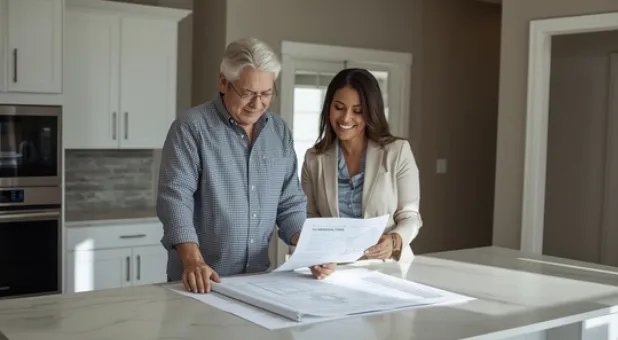
Typical documentation includes:

The more of this you gather before the file hits underwriting, the smoother and faster the process will feel.
Credit, Income, and Underwriting for VA Construction Loans
VA guidelines are generous, but lenders can add their own overlays, especially for construction loans.
You can expect:
Minimum credit score requirements that may be higher than for a standard VA purchase
Tighter DTI thresholds
Possible reserve requirements (money left in the bank after closing)
To strengthen your file:
Pull and review your credit early; fix late payments or high revolving balances if possible.
Gather all income documentation: LES, paystubs, W-2s, tax returns if self-employed.
Avoid major new debts (cars, furniture, large credit lines) during the process.
Working with a lender experienced in VA construction-to-permanent loans can make a big difference—they already know how to structure your file for approval.
How to Find and Vet VA-Friendly Builders in Prince William County
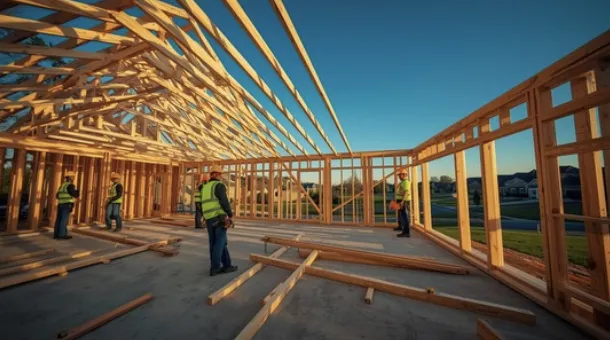
Not every builder is comfortable working with VA financing or construction draws. In Prince William County, you’ll find a mix of:
Large national builders
Regional and local builders
Semi-custom and custom home builders
Where to Start
Ask VA-experienced lenders which builders they’ve successfully closed with.
Ask a local VA-savvy real estate agent (like GG Sfreddo / MoveMeInVA) for recent examples.
Talk to other veterans who built in the area and ask who they used and how it went.
Questions to Ask Builders
Use this mini-interview checklist:
“Have you completed any homes using VA financing in the last two years?”
“Are you comfortable with VA draw schedules and inspections?”
“Can I see a sample construction contract and draw schedule?”
“What warranties do you provide on workmanship and major systems?”
“How do you handle change orders and allowances?”
“Will you provide lien waivers with each draw?”
You’re listening for builders who:
Have recent VA experience
Can show you clear systems for billing, draws, and warranties
Are open to working with your lender from the beginning
Builder Incentives and VA Rules: How to Play It Smart
New construction communities often advertise incentives like:
Closing cost credits
Design-center or upgrade credits
Temporary rate buydowns
These can work very well with VA loans—if they’re handled correctly.
Key considerations:
VA has limits on seller concessions, so your lender must review the total package.
Incentives should be clearly itemized in the contract and closing disclosure.
In many cases, using incentives toward closing costs or permanent upgrades adds more value than flashy temporary promotions.
Smart moves:
Ask your lender, “How should builder incentives be structured so they’re VA-compliant and maximize my benefit?”
Ask the builder if incentives can be shifted from “extras” to closing cost help or permanent upgrades you’ll actually use.
Choosing a New Construction Community in Prince William County
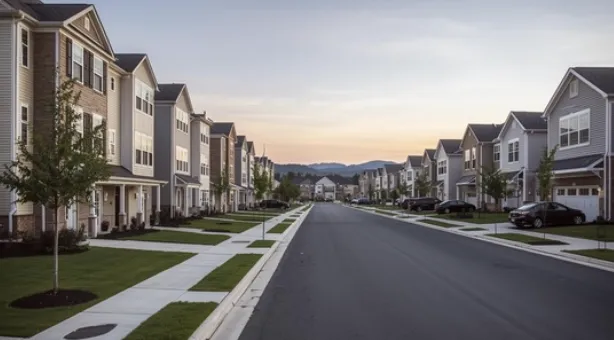
Prince William County offers a wide variety of new home communities, from townhouse developments close to major commuter routes to single-family neighborhoods with larger lots and amenities.
When comparing communities, consider:
Commute: Proximity to I-95, Route 1, Route 28, Route 234, VRE stations, or commuter lots
Schools: Which attendance zones your chosen community falls into
Amenities: Pools, walking trails, playgrounds, dog parks, clubhouses
Builder presence: One builder or multiple? Are they VA-friendly?
Recent VA closings: Has the community closed VA loans recently?
A quick way to evaluate VA-friendliness:
Ask the sales office, “Have you had any VA buyers close here recently?”
Ask your agent to check for recent VA-backed sales in that subdivision.
Prince William County Supports for Veterans
In addition to your federal VA benefits, Prince William County and the Commonwealth of Virginia may offer:
Property tax relief programs for qualifying disabled veterans
Local housing counseling and assistance resources
Veteran-focused outreach through county offices and nonprofits
Before you close, it’s worth:
Checking county tax relief options for long-term affordability
Contacting the Prince William County Office of Housing and Community Development or local veteran service organizations to see what’s available
These supports can help trim your ongoing cost of ownership, not just your upfront costs.
Step-by-Step: Using Your VA Loan to Build a New Home in Prince William County
Here’s a simple workflow to keep you on track:
Confirm Eligibility & COE
Request your Certificate of Eligibility early.
Gather service documentation (DD214, active-duty verification).
Choose a VA Construction Lender
Ask specifically about VA one-time close options.
Request examples of recent VA construction closings in Prince William County.
Get Pre-Approved
Submit income, assets, and credit information.
Ask for a pre-approval letter tailored to construction-to-perm.
Select a VA-Friendly Builder & Community
Interview builders using the questions above.
Confirm they’re willing to follow your lender’s VA draw and warranty requirements.
Review and Negotiate the Contract
Ensure the contract includes:
Detailed plans and specs
Draw schedule tied to inspections
Clear change order policy
Warranties and completion standards
Confirm incentives are VA-compliant with your lender.
Lender & VA Review
Lender reviews builder, plans, budget, and contract.
Appraisal is ordered based on plans and specifications.
Construction Phase
Builder completes work in stages.
Lender releases funds per draw schedule.
Inspections verify progress and quality.
Certificate of Occupancy & Final Inspection
County issues a certificate of occupancy (CO).
Final inspection confirms the home meets VA standards.
Conversion / Final Closing
For one-time close: loan converts to permanent VA mortgage.
For two-time close: you close on your VA purchase loan.
Move In & Register for Warranties / Programs
Set up builder and manufacturer warranty accounts.
If eligible, apply for any county tax relief or programs.
PCS and New Construction: Special Considerations for Military Families
Building while PCS’ing to Prince William County can be a great long-term move—but it does require extra planning.
Smart strategies:
Build buffer time into your expected completion date. Construction delays are common.
Have a plan for temporary housing if the home isn’t ready when you arrive.
Make sure your builder has a clear communication plan for you if you’re deployed or out of the area.
Lean on a local agent to be your “boots on the ground” for walkthroughs and progress check-ins.
The payoff: a home designed for your family, in your chosen school zone or commute corridor, with systems under warranty during your first years in the area.
FAQ: VA Loans and New Construction in Prince William County
Can I use my VA loan to build a custom home? Yes—if your lender and builder are willing to follow VA construction rules. You’ll need a qualified builder, detailed plans, and full documentation for the project.
Are VA one-time close construction loans available in Virginia? Many lenders now offer them, but availability varies. Always ask, “Do you offer VA one-time close loans, and have you closed any in Prince William County recently?”
Do all builders accept VA loans? No. Some do, some don’t. That’s why you need to ask about VA experience and confirm your lender is comfortable with the builder.
What’s the biggest difference between building and buying a resale home with a VA loan? With new construction, you’re managing draws, inspections, and timelines, not just a standard closing date. It’s more complex, but offers more customization and warranty coverage.
Do I still get zero down payment with a VA construction loan? In many cases yes, subject to your entitlement and lender guidelines. Always confirm details with your lender, especially if land costs or upgrades are significant.
About the Author
This guide is written by Gayle “GG” Sfreddo, a licensed Northern Virginia REALTOR® and Military Relocation Professional (MRP) serving Prince William County, Fairfax County, Stafford County, and surrounding Northern Virginia communities.
Experience
GG was born on an Air Force base and raised in a military family. Moving, adapting, and rebuilding “home” has been a lifelong reality—not just an abstract concept. That lived experience directly informs how she advises veterans and active-duty families on building, buying, and settling into Northern Virginia.
Expertise
20+ years in residential real estate in Northern Virginia
Extensive experience with VA buyers, VA appraisals, and VA loan structures
Hands-on familiarity with new construction communities, builder practices, and local market trends in Prince William County
Authority
GG’s work focuses heavily on:
Military relocation to and from Quantico, the Pentagon, and Fort Belvoir
VA loan education and strategy
Helping veteran buyers coordinate lenders, builders, and timelines so they can use their benefits confidently
Her content is built from real transactions, local builder interactions, and ongoing collaboration with VA-experienced lenders.
Trustworthiness
The recommendations in this guide are:
Grounded in local conditions, not generic national advice
Focused on practical steps you can take immediately
Designed to help you avoid costly missteps and feel informed—not pressured
If you’re a veteran or active-duty service member considering new construction in Prince William County and you want help:
Evaluating communities and builders
Understanding which lenders offer VA construction options
Reviewing contracts for VA-friendly language
Coordinating your build with PCS orders
You can reach out to MoveMeInVA (GG Sfreddo) for a conversation tailored to your situation—so you can use your VA benefit with confidence and truly make All The Right Moves™ into your new home.


