
how not to stress out over the holidays
How to Reduce Holiday Stress and Enjoy a Stress-Free Holiday Season
The holidays can bring joy and connection, but they often also introduce financial strain, family tension, and loneliness that trigger anxiety and burnout; this guide defines holiday stress, explains why it happens, and shows practical ways to regain calm. You will learn evidence-informed causes, step-by-step coping strategies, and clear, actionable planning and self-care routines to reduce holiday anxiety and holiday blues. The article also maps local Northern Virginia resources and low-stress community events that help restore balance, and it explains how flexible real estate solutions can remove moving-related pressure when life events coincide with the season. Expect prioritized checklists, short mindfulness practices, and curated local options you can adopt immediately to lower stress and protect well-being during the busy months. By combining planning, boundary-setting, and targeted local support, you can shift from reaction to control and enjoy meaningful holiday experiences without overwhelm.
What Are the Main Causes of Holiday Stress and How Do They Affect You?
Holiday stress is the set of emotional and physiological responses arising when seasonal demands exceed our coping resources; it often results from financial pressure, family dynamics, loneliness, time pressure, and unrealistic expectations. These causes increase cortisol and worry, reduce sleep quality, and impair decision-making, which together amplify feelings of irritability and withdrawal during the season. Understanding these root drivers clarifies where to target interventions and helps prioritize which adjustments yield the biggest relief. The next section enumerates the most common causes so you can quickly spot which ones affect you and apply the matching strategies that follow.
Common holiday stressors appear across households and social circles:
Financial pressure: Extra spending on gifts, travel, and hosting increases anxiety and budget strain.
Family expectations: Obligations and unresolved conflicts increase emotional tension during gatherings.
Time pressure: Packed schedules and multitasking leave little room for rest and recovery.
Loneliness and grief: Seasonal reminders and social comparisons can deepen isolation and sadness.
Unrealistic standards: Trying to create a "perfect" holiday often leads to exhaustion and disappointment.
Recognizing which of these drivers is most active for you makes it easier to select targeted coping tactics that reduce symptoms quickly. Identifying the dominant stressor sets the stage for planning and self-care techniques that follow.
Why Do Financial Pressures Increase Holiday Stress?
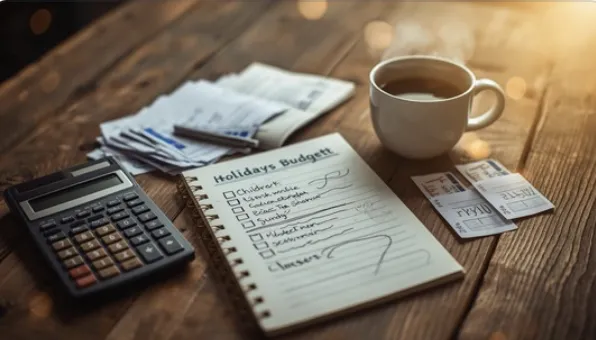
Financial pressure increases holiday stress because economic uncertainty triggers anticipatory worry and avoidance behaviors that undermine sleep and decision-making. When budgets feel tight, people often spend impulsively to meet social expectations, which compounds anxiety after the season ends; this cycle elevates both immediate distress and longer-term financial strain. Practical mitigation reduces emotional reactivity by reframing priorities and creating transparent spending limits, which restores agency and reduces late-night ruminating. The next section will show simple budgeting steps and low-cost gift strategies that limit financial stress while preserving meaningful connections.
How Do Family Dynamics and Loneliness Contribute to Holiday Anxiety?
Family dynamics and loneliness contribute to holiday anxiety by reactivating past conflicts, unmet expectations, and reminders of loss, which intensify emotional responses and social avoidance. Tense interactions can trigger defensive behaviors that escalate disagreements and reduce the chance for restorative connection, while grieving or isolated individuals may feel out of step with celebratory norms. Setting boundaries, planning exit strategies, and arranging supportive check-ins are practical steps that reduce exposure to high-conflict situations and provide emotional safety. These approaches bridge naturally into planning and self-care practices that help sustain balance during gatherings.
What Are Effective Strategies to Manage and Reduce Holiday Stress?
Effective strategies address root causes—planning for predictable stressors, prioritizing self-care, setting realistic expectations, and using financial and social tools to reduce pressure. These approaches work because planning reduces uncertainty, self-care restores physiological resilience, and clear boundaries prevent emotional depletion; applied consistently they lower acute anxiety and improve mood across the season. Below are practical, prioritized steps you can implement immediately to reduce stress and increase enjoyment during holidays. The following subsections detail planning frameworks and accessible mindfulness practices that fit into busy schedules.
Start reducing overwhelm with clear planning and delegation:
Use a MUST/SHOULD/NICE checklist: Prioritize essentials, delegate the rest, and drop the nonessentials.
Time-block critical tasks: Schedule specific times for shopping, prep, and rest to avoid last-minute overload.
Delegate or outsource: Share hosting, shopping, and chores with household members or paid help when possible.
Adopting a prioritization system simplifies decisions and prevents last-minute panic, which naturally leads into targeted daily self-care routines that sustain energy and mood.
Before the practical self-care options, compare strategies by time and benefit to help prioritize your choices:
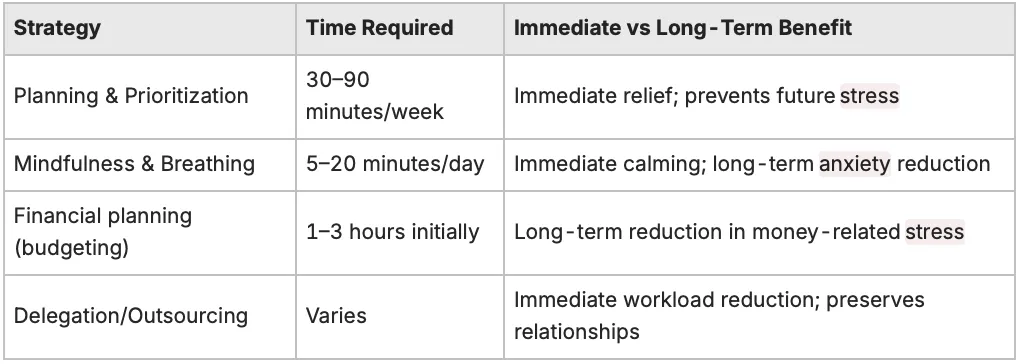
This comparison shows that small, consistent practices (mindfulness, delegation) deliver fast relief while one-time planning actions (budget template) produce durable reduction in holiday stress.
How Can Planning and Prioritization Help You Avoid Feeling Overwhelmed?

Planning and prioritization reduce overwhelm by converting vague obligations into concrete tasks with deadlines and responsible parties, which decreases perceived unpredictability and cognitive load. Using a simple MUST/SHOULD/NICE framework clarifies what truly matters and helps you say no to low-value demands, while time-blocking preserves recovery periods and signals others about your availability.
Practical examples include pre-writing gift recipients and budgets, scheduling one free evening per week, and delegating grocery shopping or meal prep to family members. Once planning is in place, it's easier to add micro-routines like short relaxation breaks, which the next subsection explores in depth.
What Self-Care and Mindfulness Practices Ease Holiday Anxiety?
Self-care and mindfulness ease holiday anxiety by restoring nervous system balance and improving sleep, mood, and executive function, which supports better emotional regulation during stressful interactions. Quick practices such as a three-minute breathing exercise, a ten-minute walk outside, and consistent sleep windows require little time yet produce measurable reductions in heart rate and worry. Integrating movement, sleep hygiene, and short meditative pauses into daily routines builds resilience so you can respond rather than react to holiday triggers. These micro-habits dovetail with planning and social strategies to create a durable, low-stress holiday experience.
Managing your perception and employing relaxation techniques are key to navigating the pressures of the holiday season.
Holiday Relaxation Tips: Managing Stress Through Perception and Techniques
The holiday season is supposed to be a time for joy, peace, love and caring for one another. However, stress is often times a big component as people flock to the mall to find the perfect gift, agonize over cooking a perfect holiday meal and worry about entertaining family and friends.To manage stress effectively this holiday season it is important to remember that perception is under your control. Modifying your thought processes is a powerful tool to help youmanage unwanted stress. Modifying thought processes typically involve relaxation techniques which include muscle-to-mind or mind-to-muscle techniques.
Holiday Relaxation Tips for a Less Stressful Holiday Season
How Can You Cope with Holiday Blues and Anxiety During the Festive Season?
Holiday blues are typically situational low mood and transient sadness tied to memories or unmet expectations, while clinical depression involves persistent functional impairment and warrants professional care. Coping strategies for holiday blues include validating feelings, scheduling small pleasurable activities, connecting with supportive people, and limiting exposure to triggering situations; these steps reduce rumination and restore positive affect. Recognizing when low mood becomes persistent or interfering with daily life is critical so you can seek professional support. The next subsections provide concrete ways to acknowledge feelings and practical guidance for connecting with networks that improve well-being.
Acknowledge feelings with compassionate habits and small rituals:
Name the feeling: Labeling emotions reduces intensity and increases clarity.
Schedule a pleasant activity daily: Even 20 minutes of a valued hobby improves mood.
Practice gentle self-compassion: Replace self-criticism with supportive self-talk.
These steps reduce shame and open channels for social support, which leads into concrete scripts and ways to reach out to others.
What Are the Best Ways to Acknowledge and Manage Holiday Blues?
The best ways to acknowledge and manage holiday blues start with validation—recognize that feeling down is a normal response to stressors like grief, loneliness, or unmet expectations. Practical management includes journaling for 10–15 minutes to offload intrusive thoughts, scheduling small social activities that feel safe, and creating simple rituals (lighting a candle, preparing a comforting meal) that mark the season without grand demands. If mood worsens or persists beyond a few weeks with functional decline, prioritize contacting a mental health professional for assessment. These self-directed strategies prepare you to reach out effectively, which is addressed next.
How Can Connecting with Support Networks Improve Your Holiday Mental Health?
Connecting with support networks improves mental health by increasing social resources and reducing isolation, which fosters positive emotions and problem-solving assistance during stressful moments. Practical approaches include arranging regular check-ins with a friend, volunteering for community activities to build new connections, and joining small-interest groups that meet locally or virtually for mutual support. Simple conversation scripts—such as "I'm feeling stressed this season; can we check in weekly?"—make outreach low-friction and effective. These connection strategies naturally tie into localized event options and support groups available in Northern Virginia.
What Local Resources and Events in Northern Virginia Help Relieve Holiday Stress?

Northern Virginia offers a range of calming community events, outdoor spaces, and support resources that help reduce holiday stress through social connection, nature exposure, and low-pressure volunteering opportunities. Local options deliver specific benefits such as structured social time, gentle physical activity, and opportunities to contribute, all of which lower stress hormones and increase positive affect. Below is a curated set of event types and an EAV-style table to help you find suitable low-stress activities and support groups during the season. After reviewing options, a short paragraph explains how community involvement can act as a buffer against holiday loneliness and burnout.
Many community events can help you recharge and connect:
Seasonal nature walks and guided park strolls for calm movement and fresh air.
Quiet concerts or library events that offer low-key cultural engagement.
Volunteer shifts at local food drives or shelters to boost meaning and social contact.
Attending a single low-demand event can jumpstart social reconnection and lead to ongoing supportive activities.
Before the table, note that seasonality and accessibility matter when choosing events; the table below lists examples, timing, and stress-relief benefits to simplify selection.
Event TypeTypical Seasonality/LocationStress-Relief BenefitGuided nature walksWinter mornings, local parks/trailsRestorative movement, mood boostQuiet concerts & readingsEvenings at community centersLow-stimulation social connectionVolunteer shifts (food banks)Ongoing, various community sitesSense of purpose, social contactCreative workshopsWeekends at libraries or studiosMindful focus, skill-building
This resource table clarifies how different event types map to specific benefits, making it easier to pick activities that match your energy and accessibility needs.
After high-level options, it's helpful to mention local support access: many communities host grief support groups, peer-led mental health meetups, and park programs that reduce isolation. As a community resource, flexible real estate solutions also participate in local event sponsorships and information-sharing to connect residents with low-stress neighborhood activities and volunteer opportunities. This community role helps bridge access to supportive events while keeping the focus on mental health resources and local engagement.
Which Northern Virginia Community Events Promote Relaxation and Joy?
Community events that promote relaxation and joy prioritize low-pressure participation, predictable schedules, and opportunities for gentle social interaction, such as guided park walks, small choral performances, and hands-on craft workshops. Choosing events labeled "quiet," "family-friendly," or "beginner" reduces the risk of sensory overload and social comparison, and arriving early or with a companion further reduces anxiety. Planning one or two low-demand events per week can restore routine and create predictable social exposure that combats loneliness. These event choices set the stage for connecting with ongoing support groups and outdoor activities described next.
How Do Local Support Groups and Outdoor Activities Support Holiday Well-being?

Local support groups and outdoor activities support holiday well-being by combining social connection with restorative environments that reduce physiological stress and increase positive affect. Nature exposure through park walks or birdwatching lowers rumination and improves attention, while peer-led support groups provide validation and practical coping strategies in a confidential setting. Searching community calendars for "support," "walk," or "volunteer" yields low-barrier opportunities to join others and build resiliency. These options are practical complements to personal planning and self-care techniques discussed earlier.
How Do Flexible Real Estate Solutions in Northern Virginia Reduce Holiday Moving Stress?
Flexible real estate solutions reduce holiday moving stress by shifting logistical burdens—timing, temporary housing, and closing flexibility—away from sellers and buyers, which lowers time pressure and financial uncertainty during an already busy season. These services work because they decouple moving deadlines from holiday schedules, provide coordinated staging or short-term transition support, and offer tailored timing options that accommodate family and work obligations. The EAV comparison below helps you quickly evaluate common flexible options and their stress-reduction mechanisms so you can pick the right fit if you face a move during the holidays. After the table, a short FAQ-style paragraph addresses common transactional concerns.
Real estate flexibility matters because timing and logistics are major stress drivers during moving; compare practical options below.
OptionStress-Reduction MechanismTypical Timeline/Cost ConsiderationsFlexible closing dateRemoves hard deadlines; aligns move with family scheduleTimeframe negotiable; minimal fee variationsShort-term transition supportProvides temporary housing and storage coordinationVaries by provider; reduces rush and logisticsContingent buyer programsAllows overlap between buying and selling transactionsMay lengthen process but reduces contingency stress
This comparison reveals that flexible closing and temporary transition services directly reduce scheduling pressure and logistical complexity, enabling calmer decision-making during the holiday period.
Flexible real estate offerings also include coordinated logistics support such as staging and move management that minimize disruption and enable sellers and buyers to focus on family and recovery rather than operational tasks. Below is a short, practical FAQ addressing common concerns about holiday real estate flexibility.
Flexible timing permits moving tasks to be spaced out rather than concentrated on holiday dates.
Temporary transition support covers short-term housing or storage, lowering immediate logistical burden.
Contingent buyer options reduce the financial juggling that commonly exacerbates holiday stress.
What Are the Benefits of Selling Your Home Stress-Free During the Holidays?

Selling your home stress-free during the holidays can actually reduce stress by avoiding peak-market bustle, attracting motivated buyers, and enabling sellers to negotiate timing that fits family plans. Stress-mitigation tactics include staging with minimal disruption, using virtual showings to limit in-person traffic, and arranging flexible closing dates to ease moving timelines. Sellers who use transition support minimize packing and storage stress, which preserves relationships and reduces decision fatigue. These practical benefits show how real estate flexibility is a direct, actionable pathway to less holiday stress for people managing moves.
How Can Buying a Home in NOVA During the Holidays Be Less Stressful?
Buying a home in Northern Virginia during the holidays can be less stressful when services offer virtual tours, timed showings, and coordinated closing schedules that respect holiday obligations and financing timelines. Buyer-focused tactics include pre-approvals completed before peak dates, inspection scheduling with buffer days, and prioritizing properties with clear move-in windows to reduce last-minute pressure. Combining these transactional practices with personal planning and mindfulness helps buyers preserve mental energy for core decisions. These buyer strategies connect to broader coping methods covered earlier and illustrate how transactional flexibility reduces seasonal anxiety.
What Are Practical Tips for Maintaining a Stress-Free Holiday Season?
Practical tips for a stress-free holiday season combine boundary-setting, realistic financial planning, daily micro-habits, and advance logistics so you can protect energy and enjoy meaningful moments. Setting clear limits on time and spending preserves relationships and reduces regret, while micro-routines—brief movement, sleep consistency, and mindful breathing—sustain resilience day-to-day. Below are concise, actionable tips organized into short, implementable items and a table comparing boundary and financial tactics to help you pick the most effective mix for your situation. Use these tactics as a checklist to prevent backsliding when demands escalate.
The following checklist collects high-impact actions that prevent holiday overwhelm:
Set firm limits: Decide in advance how many events you’ll attend and what you’ll spend.
Use a shared calendar: Communicate plans with family to reduce last-minute conflicts.
Schedule recovery time: Block daily downtime for sleep or relaxation to recharge.
Applying a simple checklist reduces decision fatigue and keeps your priorities aligned, which prepares you to implement scripts and budgets described next.
ApproachCharacteristicPrimary BenefitBoundary settingScripts and limits for eventsPreserves energy and reduces conflictShared calendarTransparent scheduling with familyLowers unexpected demandsGift-budget templatePre-set limits and alternativesReduces overspending and post-holiday regret
This comparison shows that combining social boundaries with transparent planning has immediate benefits for holiday stress reduction.
How Can Setting Boundaries and Managing Expectations Reduce Holiday Pressure?
Setting boundaries and managing expectations reduce holiday pressure by preventing emotional overload and clarifying roles, which decreases reactive conflict and preserves meaningful interactions. Use simple scripts such as "I can join for two hours but need time to rest afterward" or "We’re exchanging small gifts this year" to communicate limits calmly and clearly. Enforcement strategies include delegating tasks and offering alternatives, which maintain relationships while protecting your needs. Practicing these scripts in low-stakes situations builds confidence for larger gatherings, and the next section provides complementary financial tips.
What Financial Planning Tips Help Prevent Holiday Money Stress?
Financial planning prevents holiday money stress by replacing impulsive spending with deliberate choices that reflect values and budgets, which reduces post-holiday regret and anxiety. Start with a simple budget template that lists recipients, a spending cap per recipient, and planned non-material alternatives like experiences or donated time. Other tactics include using cash envelopes to prevent overspending and prioritizing debt-free gift options to avoid extending financial strain. These practical steps tie back to earlier strategies—planning, delegation, and mindfulness—creating a cohesive approach to a calmer holiday season.
For readers facing a major life event such as a move during the holidays, flexible real estate solutions and local event resources provide practical pathways to reduce pressure while preserving community connection and mental well-being. Flexible real estate solutions tailored for home sellers and buyers in Northern Virginia offer stress-free transaction options, timing flexibility, and transition support that align with family and work obligations; they also function as a community resource by sharing information about curated local events and sponsorship opportunities. If moving or housing timing contributes to your holiday stress, consider exploring flexible transaction options that allow you to prioritize health and family while navigating sales or purchases.
About the Author
As a full-time Northern Virginia real estate professional and community resource, I draw from years of working directly with military families, relocating professionals, first-time buyers, downsizers, and homeowners navigating major life transitions—many of which intensify during the holiday season. My day-to-day work provides a clear view of the emotional and logistical stressors residents face this time of year, and the guidance in this article reflects evidence-based strategies combined with lived local experience. I stay current on market trends, regional support programs, and seasonal community resources so clients can make informed decisions with confidence and clarity. If you’re managing holiday stress while preparing for a move, exploring neighborhood options, or weighing timing decisions in Northern Virginia, I’m here to help you access the right information, the right strategies, and the right support at the right time.


