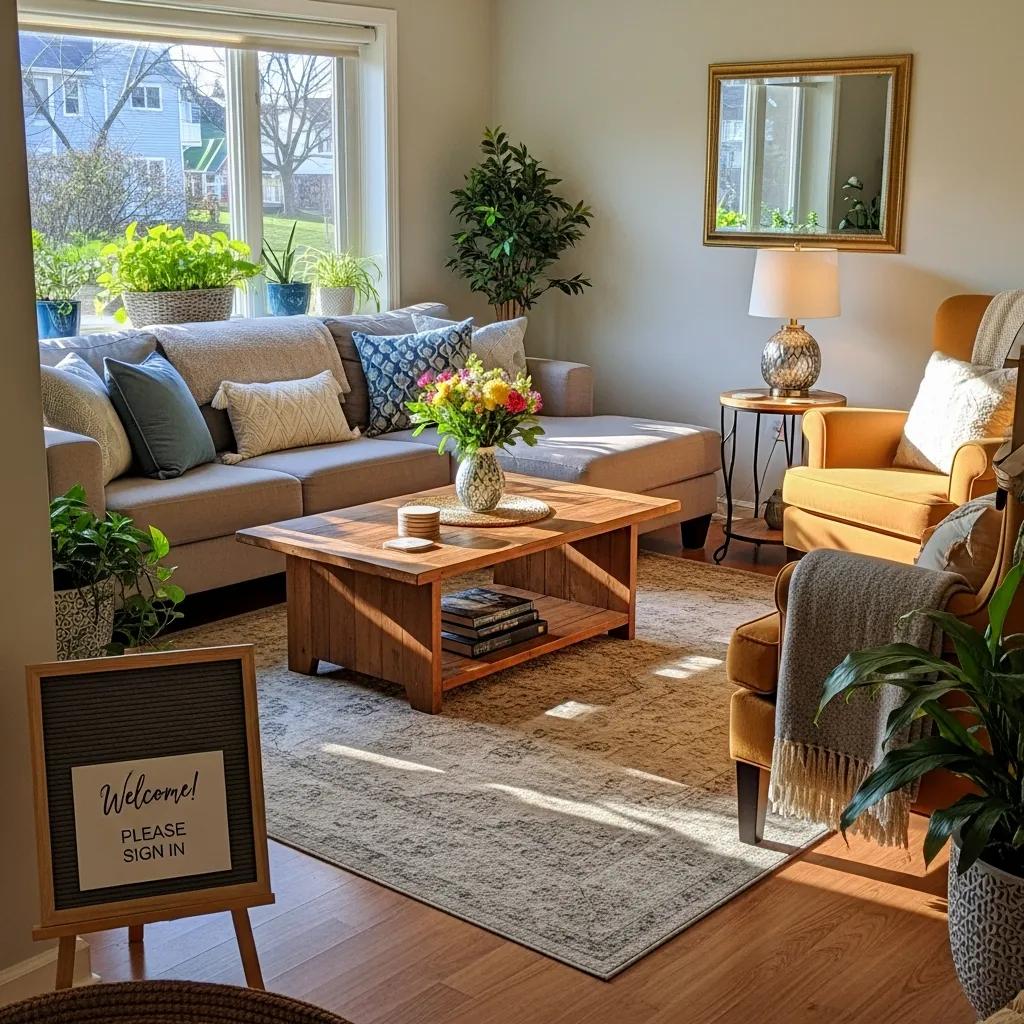
Safety First: Vetting strangers before letting them into your FSBO open house.
When hosting an open house for a For Sale By Owner (FSBO) property, ensuring the safety of both the seller and the home is paramount. This article delves into the critical importance of vetting visitors before allowing them into your open house. Readers will learn effective strategies for screening potential buyers, the unique safety challenges FSBO sellers face, and best practices for securing their homes and valuables. By understanding these safety protocols, sellers can mitigate risks associated with unknown visitors and create a secure environment for showcasing their property. We will explore various aspects, including visitor vetting techniques, safe open house practices, personal safety measures, legal considerations, and post-showing security steps.
Why Is Vetting Visitors Crucial for FSBO Open House Safety?
Vetting visitors is essential for FSBO open house safety as it helps mitigate risks associated with unknown individuals entering your home. The lack of professional oversight in FSBO sales increases the potential for theft, vandalism, or personal harm. By implementing a thorough vetting process, sellers can establish trust and ensure a safer environment for themselves and their property.
What Unique Safety Challenges Do FSBO Sellers Face Compared to Agent-Assisted Sales?
FSBO sellers encounter unique safety challenges that differ significantly from those faced by agent-assisted sales. Without a real estate agent present, sellers lack the professional guidance and security measures typically provided during showings. This absence of oversight can lead to increased exposure to unknown visitors, making it crucial for sellers to take proactive steps in vetting potential buyers. Additionally, the personal nature of showing one's home can create vulnerabilities that are less pronounced in agent-assisted transactions.
How Does Visitor Vetting Reduce Risks of Theft and Personal Harm?
Visitor vetting significantly reduces the risks of theft and personal harm by allowing sellers to screen potential buyers before granting access to their homes. Effective vetting methods include requiring identification, conducting background checks when legally permissible, and utilizing visitor sign-in sheets. While specific statistics on homes with vetting processes are limited, security measures generally deter potential criminals by increasing the perceived risk of detection.
How Can FSBO Sellers Effectively Screen Open House Visitors?

FSBO sellers can implement several effective strategies to screen open house visitors, ensuring a safer showing experience. These strategies include pre-screening methods, ID verification, and leveraging digital vetting techniques to enhance visitor screening.
What Are Best Practices for Visitor Pre-Screening and ID Verification?
Best practices for visitor pre-screening and ID verification involve collecting essential information from potential buyers before the open house. Sellers should request names, contact information, and identification to verify the identity of visitors. Utilizing visitor sign-in sheets can help track who enters the property, providing an additional layer of security. This proactive approach not only enhances safety but also establishes a level of professionalism that can positively influence potential buyers.
How Can Digital Vetting Techniques Enhance Visitor Screening?
Digital vetting techniques can enhance visitor screening by utilizing technology to gather publicly available information about potential buyers. Online background checks may be used where legally allowed, and social media research can provide insights into a visitor's identity and intentions. By leveraging these digital tools responsibly and respecting privacy laws, sellers can make more informed decisions about who to allow into their homes, further reducing the risks associated with open house showings.
What Are Safe Open House Practices to Protect Your Home and Valuables?
Implementing safe open house practices is crucial for protecting your home and valuables during showings. Sellers should take proactive measures to secure their belongings and create a safe environment for visitors.
How Should Sellers Secure Valuables and Personal Information During Showings?
Sellers should take specific actions to secure valuables and personal information during open house showings. This includes removing high-value items from sight, locking away personal documents, and using lockboxes for keys. By minimizing the visibility of valuables, sellers can deter potential theft and create a more secure atmosphere for visitors.
What Role Do Smart Home Security Systems Play in Open House Safety?
Smart home security systems play a vital role in enhancing open house safety. These systems can include surveillance cameras, motion detectors, and smart locks that provide real-time monitoring and alerts. By integrating smart technology, sellers can maintain a watchful eye on their property during showings, ensuring that any suspicious activity is promptly addressed.
How Can FSBO Sellers Ensure Personal Safety During Open Houses?
Ensuring personal safety during open houses is a critical concern for FSBO sellers. Implementing safety measures can help sellers feel more secure while showcasing their homes.
Why Is Having a Buddy System or Support Network Important?
Having a buddy system or support network is essential for FSBO sellers during open houses. This approach involves having a friend or family member present during showings to provide assistance and support. The presence of another person can deter potential threats and create a safer environment for both the seller and visitors. Additionally, a support network can offer emotional reassurance, making the selling process less daunting.
What Emergency Preparedness Measures Should Sellers Take?
Sellers should take specific emergency preparedness measures to ensure their safety during open houses. This includes creating an emergency plan, identifying escape routes, and having a charged phone readily available. By being prepared for unexpected situations, sellers can respond effectively and maintain control over their safety during showings.
What Legal and Ethical Considerations Affect FSBO Open House Safety in Northern Virginia?
Understanding the legal and ethical considerations surrounding FSBO open house safety is crucial for sellers in Northern Virginia. Compliance with local laws can help protect sellers from potential liabilities.
What Are Northern Virginia’s Recording Laws and Fair Housing Requirements?
Northern Virginia has specific recording laws and fair housing requirements that FSBO sellers must adhere to. Virginia is a one-party consent state for audio recordings, meaning only one party needs to consent to the recording; however, video recording without consent in private settings may have restrictions. Sellers should familiarize themselves with these regulations to ensure compliance during open house showings. Additionally, sellers must avoid discriminatory practices in accordance with the Fair Housing Act, which prohibits discrimination based on race, color, religion, sex, national origin, familial status, or disability. Understanding these legal obligations can help sellers navigate the complexities of open house safety.
How Should Sellers Report Suspicious Activity During Open Houses?
Sellers should have a clear protocol for reporting suspicious activity during open houses. This includes documenting incidents, taking note of visitor descriptions, and contacting local authorities if necessary. By being vigilant and proactive, sellers can contribute to a safer community and protect their property from potential threats.
What Steps Should Sellers Take After the Open House to Maintain Security?

After the open house, sellers should take specific steps to maintain security and ensure their home remains safe.
How to Conduct a Post-Showing Security Walk-Through?
Conducting a post-showing security walk-through is essential for ensuring that the property remains secure after visitors leave. Sellers should check all entry points, ensure that windows are locked, and verify that valuables are still in place. This thorough inspection can help identify any potential security breaches and provide peace of mind.
When and How Should Sellers Follow Up on Visitor Concerns or Incidents?
Sellers should follow up on visitor concerns or incidents promptly after the open house. This includes reaching out to visitors who expressed interest in the property and addressing any issues that arose during the showing. By maintaining open communication, sellers can build trust with potential buyers and demonstrate their commitment to a safe and professional selling process.

This table highlights essential safety measures that FSBO sellers can implement to enhance security during open houses. By prioritizing these practices, sellers can create a safer environment for themselves and their visitors.
About the Author
GG Sfreddo is a Virginia-licensed Realtor® serving buyers and sellers throughout Northern Virginia. She specializes in residential home buying and selling, seasonal market strategies, and guiding homeowners through time-sensitive transactions, including FSBO situations, relocations, and year-end closings.
With hands-on experience working with first-time buyers, move-up buyers, military and relocation clients, and homeowners navigating major life transitions, GG focuses on education, transparency, and data-driven decision-making. Her approach helps sellers understand not only what is happening in the market, but how it impacts their safety, pricing, and overall selling strategy.
The insights shared in this article are based on real transaction experience and professional observations from active work in the Northern Virginia real estate market. This content is provided for informational purposes only and should not be considered legal or financial advice.
Credentials
Licensed Realtor®, Commonwealth of Virginia and Washington, DC
Military Relocation Professional (MRP)


