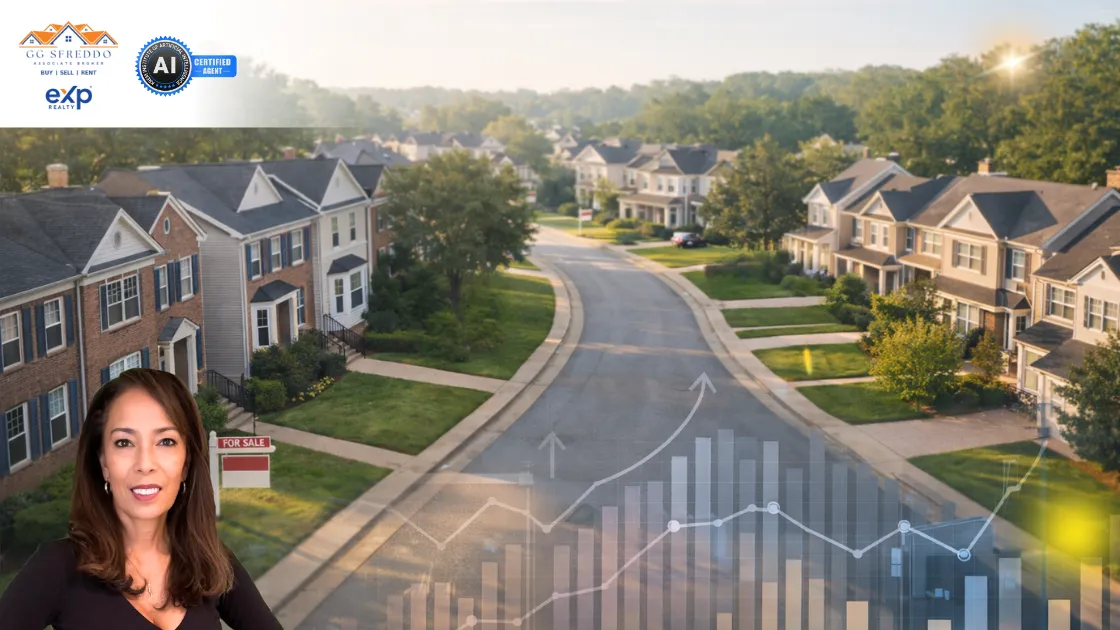
Fairfax VA Housing Market Forecast 2026 — Why Smart Pricing Matters as Inventory Rises
As we move into 2026 the Fairfax, VA housing market is shifting: inventory is up compared with recent years. That change creates fresh opportunities for buyers and new challenges for sellers. Knowing how higher inventory affects pricing, timing, and negotiation will help you make smarter choices. Below we walk through the current market snapshot, why pricing strategy is now a top priority, neighborhood-level differences, and the trends likely to shape the year ahead.
How is Fairfax County's housing inventory shifting in 2026?
Fairfax County is seeing a meaningful rise in available homes as 2026 begins. Exact totals vary by source and neighborhood, but the uptick is real — driven largely by new construction and more homeowners choosing to list, encouraged by recent market conditions.
How does higher inventory affect buyers and sellers?
For buyers, more listings mean better choice and greater negotiating leverage. For sellers, greater supply increases competition and raises the bar for pricing and presentation. In short, the market is moving toward balance — and both sides need to adjust their plans to win in this environment.
Why is pricing strategy more important than ever in Fairfax's 2026 market?

With inventory on the rise, accurate pricing is the quickest way to protect value and shorten time on market. Price too high and you risk long listing periods and multiple reductions; price competitively and you capture buyer attention and preserve negotiating strength.
How does added inventory change pricing and seller leverage?
More homes on the market typically eases upward pressure on prices and gives buyers options — which increases their leverage. Sellers who understand comparable listings and market tempo can preserve negotiating power; those who don’t often find themselves chasing the market down with price cuts.
What are the risks of overpricing in a more balanced Fairfax market?
Overpricing can cause a home to sit, then require a sequence of reductions that erode buyer confidence and perceived value. That pattern often results in lower final sale prices and fewer strong offers. A well-researched initial price avoids that trap.
What pricing approaches work best for Fairfax sellers in 2026?
Sellers should center strategy on an accurate valuation and a marketing plan that matches the local buyer pool. That combination drives interest quickly and helps command the best terms.
How to value your Fairfax home accurately amid market shifts
Start with a comparative market analysis (CMA) that looks at recent, similar sales in your neighborhood. Add a professional appraisal when needed, and factor in current inventory, days on market, and any recent improvements. Together, those inputs create a competitive, defendable price.
Which marketing and presentation tactics improve pricing outcomes?
Staging that highlights function and flow, professional photography, and virtual tours boost buyer interest. Pair those with targeted online marketing and clear, benefit-driven listing copy to stand out when inventory is higher.
How can buyers navigate Fairfax's higher inventory and pricing trends?
Buyers benefit from more choices, but should stay strategic: prioritize must-haves, act decisively on well-priced homes, and use neighborhood intel to spot value.
What negotiation opportunities come with higher inventory?
When inventory is higher, buyers can often negotiate on price, closing timelines, and seller concessions. Having pre-approval and a clear comparison set makes offers more persuasive and increases the chance of favorable terms.
How do mortgage rates around 6% affect affordability in Fairfax?
Mortgage rates near 6% lower how much home a buyer can comfortably afford, so buyers should examine monthly payments and stress-test their budget. Working with lenders to explore loan options and down payment strategies helps clarify realistic price ranges.
Which Fairfax neighborhoods show distinct inventory and pricing patterns in 2026?

Inventory and pricing vary across Fairfax County. Local amenities, new development, and proximity to job centers create different demand profiles for each community.
How do trends differ in Reston, Tysons, and Centreville?
Reston blends new development with established inventory, so pricing strategies must reflect that mix. Tysons benefits from strong commercial growth and steady demand, supporting higher price points. Centreville is leaning more affordable, which attracts many first-time buyers.
What local events or projects move real estate values across Fairfax communities?
Infrastructure projects, commercial openings, and community events can shift demand quickly. New transit options, school investments, or major employers moving in tend to make nearby neighborhoods more desirable — and often push prices higher.
What are the forecasted trends and outlook for Northern Virginia in 2026?
The broader Northern Virginia outlook points to a balanced market with pockets of growth. Expect steady buyer demand, selective price appreciation, and continued importance of staging and pricing discipline.
How does Fairfax County compare with nearby Northern Virginia markets?
Fairfax remains competitive thanks to its range of housing types, strong amenities, and employment access. While some neighboring areas may outpace Fairfax in short-term growth, Fairfax’s depth and stability keep it attractive to many buyers.
Which economic factors will shape the 2026 balance in the housing market?
Employment trends, interest rates, and consumer confidence will be decisive. Watch local job growth, regional rental demand, and macroeconomic signals — they’ll guide how quickly inventory is absorbed and where prices move.
NeighborhoodInventory ChangeAverage PriceMarket DynamicsReston+20% (approximate)$600,000 (approximate)Strong demand from new developmentsTysons+15% (approximate)$800,000 (approximate)Stable demand tied to commercial growthCentreville+30% (approximate)$450,000 (approximate)More affordable — popular with first-time buyers
The table shows how inventory shifts and average pricing vary across Fairfax neighborhoods, underscoring why tailored strategies matter for buyers and sellers.
Fairfax County’s 2026 market brings both opportunities and challenges. By focusing on accurate pricing, smart presentation, and neighborhood-specific strategy, buyers and sellers can navigate the year with confidence. Stay tuned to local trends and economic indicators — and don’t hesitate to reach out to a local expert for guidance.
Frequently Asked Questions
What should buyers focus on when evaluating homes with higher inventory?
When inventory is higher, buyers should clarify priorities, review recent comparable sales, and inspect condition and neighborhood amenities closely. A clear comparison set helps you spot a fairly priced home; a trusted agent can also flag properties with the best long-term potential.
How can sellers market their homes effectively in a competitive market?
Sellers should invest in staging, professional photos, and a well-written listing that highlights unique benefits. Virtual tours and targeted online promotion broaden reach, while accurate pricing ensures early momentum and stronger offers.
How important are local schools to home values in Fairfax?
Local schools remain a major factor for many buyers. Homes in highly rated school zones often sell faster and at higher prices, so school district quality is a key consideration for families and a useful selling point for owners.
How can buyers assess a property’s long-term value in Fairfax?
Look at historical price trends, planned neighborhood developments, local amenities, and infrastructure projects. Combine that research with comparable sales and advice from local agents to form a realistic view of future appreciation potential.
What financing options exist for first-time homebuyers in Fairfax?
First-time buyers can consider conventional loans, FHA loans, and VA loans (for eligible veterans). State and local programs may offer down payment assistance and favorable terms — talk to a mortgage professional to compare options and find the best fit.
How do seasonal patterns affect the Fairfax housing market?
Spring and summer typically bring more listings and buyer activity, while fall and winter often slow down. Sellers can benefit from peak-season visibility; buyers may find more negotiating room in slower months. Timing matters, so align strategy with seasonal trends where possible.
Conclusion
The Fairfax, VA housing market in 2026 is moving toward greater balance. That means accurate pricing, strong marketing, and neighborhood-specific tactics will win the day. If you’re buying or selling, stay informed, plan deliberately, and lean on local expertise to achieve your goals. For tailored guidance, connect with our team — we’re local, experienced, and ready to help.
About the Author (GG Sfreddo)
GG Sfreddo is a Virginia-licensed Realtor serving buyers and sellers across Northern Virginia, including Fairfax County. She focuses on residential transactions, seasonal market strategies, and time-sensitive deals — including holiday and year-end closings.
With hands-on experience guiding first-time buyers, move-up buyers, military and relocation clients, and homeowners facing major life changes, GG emphasizes education, transparency, and data-driven decision-making. Her approach helps clients understand not just what is happening in the market, but why it matters to their specific situation.
The insights in this article come from real transaction experience and professional observation in the Northern Virginia market. This content is informational only and should not be taken as legal or financial advice.
Credentials:
Licensed Realtor — Commonwealth of Virginia and Washington, DC
Military Relocation Professional (MRP)


